Blog
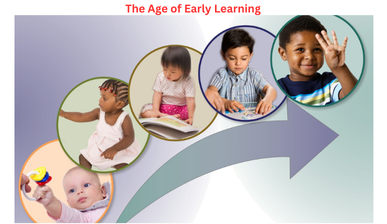
What Is the Age of Early Learning?
What Is the Age of Early Learning? this is a common question for every parents.
Let’s discuss about it…………
Early learning doesn’t wait for preschool — it begins from birth. In this educational guide from SmartSproutKids, parents will discover why the first 0–8 years of life are considered the most crucial for brain development, language growth, emotional skills, and school readiness.
This article explores how babies and toddlers learn naturally through play, interaction, and curiosity — and how parents can nurture those skills through simple daily routines like talking, reading, singing, and sensory play. We dive into key developmental milestones across infancy, toddlerhood, and the early school years, highlighting how children absorb new information faster during this period than at any other stage in life.
👶 Ages 0–2 — The Brain-Building Years
How they learn: through the five senses — seeing, hearing, touching, tasting, and moving.
Key developmental focuses:
✔ Language understanding (before speaking!)
✔ Memory formation
✔ Emotional bonding + trust
✔ Curiosity-driven motor skills
Best learning activities:
• Talk and sing often
• Read daily — even before they talk
• Sensory play (textures, water, soft objects)
• Naming objects in their environment
🚼 Ages 2–3 — Words, Imagination & Social Skills Bloom
How they learn: imitation, pretend play, asking questions
Key developmental gains:
✔ Vocabulary explosion
✔ Early problem-solving
✔ First social interaction skills
✔ Beginning counting, colors, shapes
Best learning activities:
• Simple flashcards with everyday objects
• Early reading picture books
• Pretend play scenes (kitchen, doctor, store)
• Short memory and matching games
🧸 Ages 3–5 — Pre-Academic Learning Takes Off
How they learn: play-based structured activities
Key skills developing:
✔ Letter recognition + early phonics
✔ Fine motor skills for writing
✔ Emotional expression and confidence
✔ Early math (sorting, patterns, counting)
Best learning activities:
• Alphabet + phonics flashcards
• Drawing, tracing, and building
• Storytelling with open-ended questions
• Singing songs that teach counting + rhymes
🎒 Ages 5–8 — Independent Thinkers & Readers
How they learn: applying knowledge, problem-solving, real-world experiences
Key skills developing:
Reading fluency and comprehension
Stronger memory + logic
Working independently and with groups
Understanding consequences + responsibility
Best learning activities:
Early chapter books
STEM toys and hands-on science
Writing short stories
Games that require strategy
🧠 Why Early Learning Matters

Research shows children who receive enriched early learning opportunities are more likely to:
✔ Read on grade level
✔ Perform well in school
✔ Develop better social and emotional skills
✔ Build long-term confidence and love learning
👨👩👧 How SmartSproutKids Helps
We support families with tools that nurture learning at every stage:
📚 Early literacy kits
🎴 Flashcards for toddlers and young readers
🎨 Play-based learning resources
💡 Parent guides + expert activities
📞 Contact support@smartsproutkids.com
We make learning simple, joyful, and a natural part of everyday routines.