Language Development Made Simple: Tools Every Parent Should Know
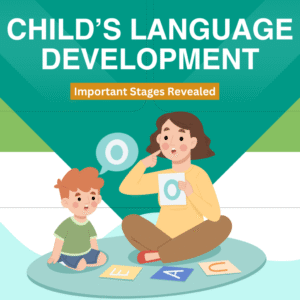
Language is the key to communication, learning and building relationships. Helping your child develop strong language skills early gives them a head start in school and life. From flashcards to interactive reading systems like Your Baby Can Learn, parents now have access to fun, research-backed tools that make a big difference. This blog explores proven strategies to support language growth at home, even if you’re not a teacher or language expert.
Language learning begins in the earliest moments of life — and parents play the most important role in building a strong foundation. In this Smart Sprout Kids guide, we break down simple, science-backed tools and everyday strategies that help boost speech, vocabulary, and early communication skills naturally at home.
Discover how playful interaction, reading routines, music, visual learning aids, and everyday conversations can spark powerful language growth — without screens or complicated lesson plans. We’ll also highlight easy-to-use early learning resources, flashcards, gestures and sign language, sensory play, and storytelling techniques that make language development fun, engaging, and stress-free for both parents and children.
✅ 1. Talking & Conversations — The #1 Language Tool
Babies and toddlers learn language by hearing it. Every conversation helps build vocabulary and brain connections.
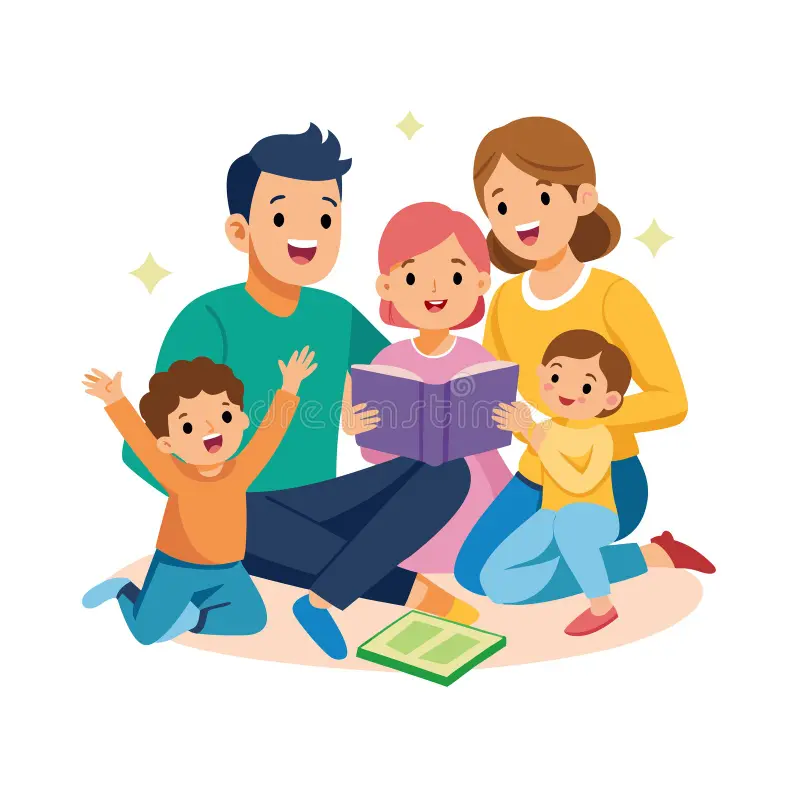
✅ 2. Reading Daily — Even 5 Minutes Makes a Difference
Reading aloud builds vocabulary, imagination, and memory — even before your child understands every word.
✅ 3. Songs, Rhymes & Music
Songs help children learn rhythm, sentence patterns, and new words.
✅ 4. Flashcards & Picture Cards
Visual learning helps toddlers connect images with spoken and printed words.
✅ 5. Gestures & Baby Sign Language
Simple hand movements help babies communicate before they speak.
✅ 6. Storytelling & Pretend Play
Children learn language through imagination.
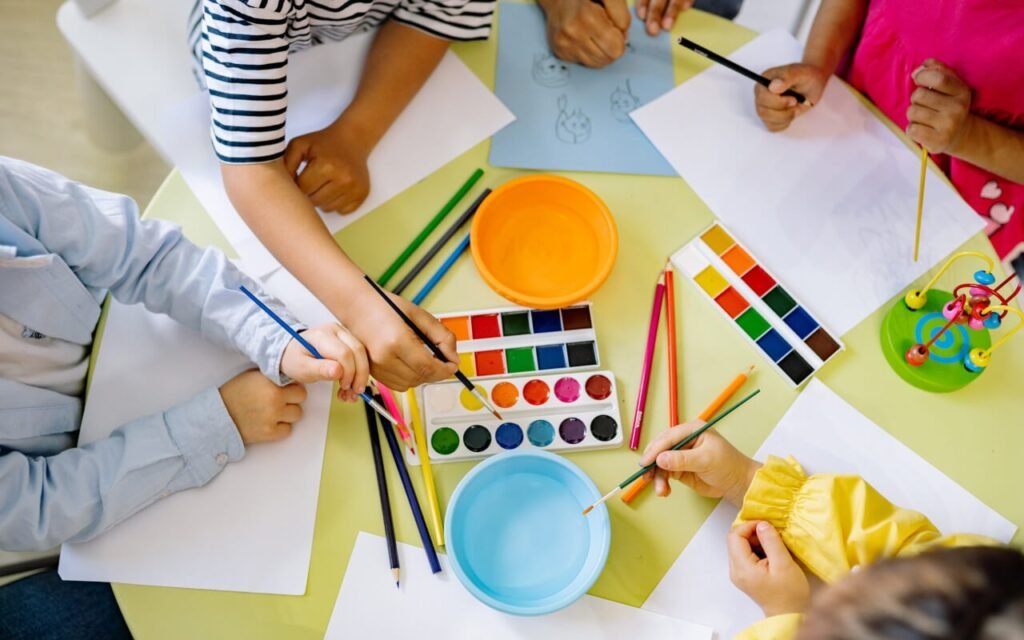
✅ 7. Sensory Play & Real-World Exploration
When children touch, feel, and see things, they learn words more easily.
✅ 8. Encourage Early Expression
Let your child try to speak — don’t rush or correct harshly.
❤️ Your Everyday Actions Matter
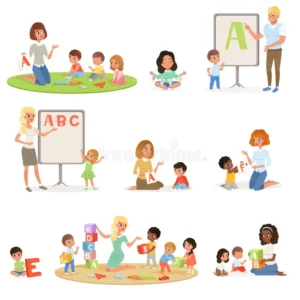
Language development isn’t about perfection — it’s about connection, consistency, and conversation. A few minutes each day turns into powerful learning time.
With talking, reading, singing, and play…
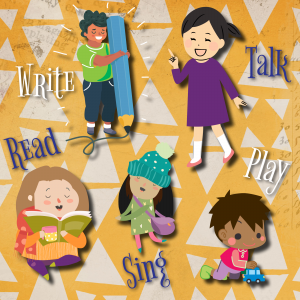
you’re not just teaching words — you’re building confidence and emotional security.
Slow and steady learning grows smart, expressive, and happy communicators. 🌱✨
Whether your little one is babbling, speaking first words, or beginning to form sentences, these parent-friendly tools will help support clear speech, strong listening skills, early literacy, and confident self-expression. Language learning doesn’t need to be difficult — it starts with simple habits and loving interaction.